


Type: Hybrid (F1)
Relative Days: 115
Skin Color: Dark Red
Bulb Shape: Globe
Day Length: Long Day
Storage Length: Long Term
Life Cycle: Annual
Characteristics:
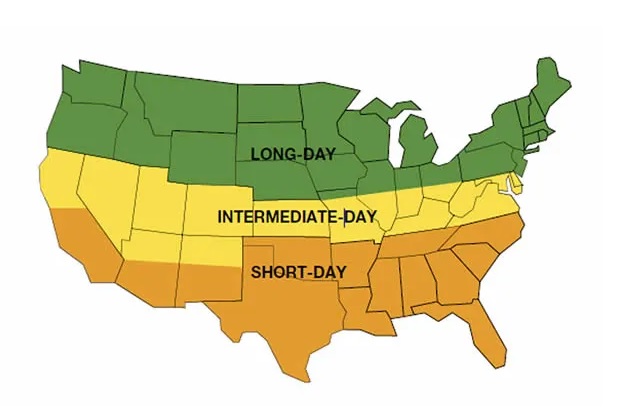
Red Garcia F1 Onion is a dependable long-day hybrid combining vigorous plant growth, attractive dark-red bulbs, and excellent storage potential. Strong, erect tops support consistent performance throughout the growing season and hold up well under challenging field conditions. Maturing in approximately 115 days, Red Garcia produces large to jumbo, blocky globe-shaped bulbs with rich dark-red color, good skin retention, and high harvest uniformity. Bulbs maintain excellent quality through medium to long-term storage, providing growers with flexibility beyond harvest. Well adapted to onion-growing regions of the Northeast U.S., Red Garcia F1 combines strong tops, uniform large bulbs, attractive color, good skin retention, and dependable storability in a high-quality red storage onion.
Onion (Allium cepa)
The term "dry onion" distinguishes them from green onions, which are harvested while still green, often before the bulb has fully formed. Dry onions (Allium cepa), a member of the Amaryllidaceae family, originated in Central Asia, with relatives such as garlic, leeks, chives, Welsh onions, and shallots.
Temperature
Onions can tolerate a wide range of temperatures and are frost-hardy. Leaf, root, and bulb development occur in cool temperatures ranging from 55°F to 75°F, with optimal leaf growth between 68°F and 77°F. Once bulbing begins, onions can withstand temperatures above 75°F.
Soil
Onions thrive in friable soils that contain high levels of organic matter and offer good water infiltration and moisture retention. The soil should not be compacted, and the pH should range between 5.8 and 6.6. Sandy loams and muck soils are commonly used for onion cultivation. For sweet Spanish onions, soils with low sulfur levels (below 40 ppm) are ideal.
Planting
Onions can be started from transplants or sets. Transplants are seeded in greenhouses 10-12 weeks before field planting. As a cool-season crop, onions can be transplanted as early as mid-March. When growing transplants, the tops should be trimmed to about 4 inches to encourage sturdy growth. Sets, which are small bulbs from the previous year, can be planted later in the season and still yield a marketable crop.
Spacing
• In-row: 1/2 to 3 inches
• Between rows: 12 to 18 inches
Harvest
Onions are typically harvested when one-third to one-half of the tops have fallen over. Bulbs are pulled from the soil after being loosened with a disk and are then topped about 1 inch above the bulb. To prevent rot, onions must be properly cured (dried) in the field, under open shade, or by artificial means before storage. Curing can take 2-4 weeks, depending on weather conditions. In humid and wet regions, onions are usually removed from the field for curing. For high-quality marketing, onions should be graded by size and color, and checked for insect damage. When stored at 32°F and 65-70% relative humidity, onions can last 1-8 months, depending on the variety.
For more information, please see links below:
- University of Georgia - Onion Production
- USDA - Onion Guide
- University of California - Onion Production
Downloadable Copy:
Please click here to download a printable version.