When browsing seed catalogs, you may come across pelleted seeds. These are not a different variety of seed but rather seeds that have been coated to improve planting and handling.
What Does “Pelleted” Mean?
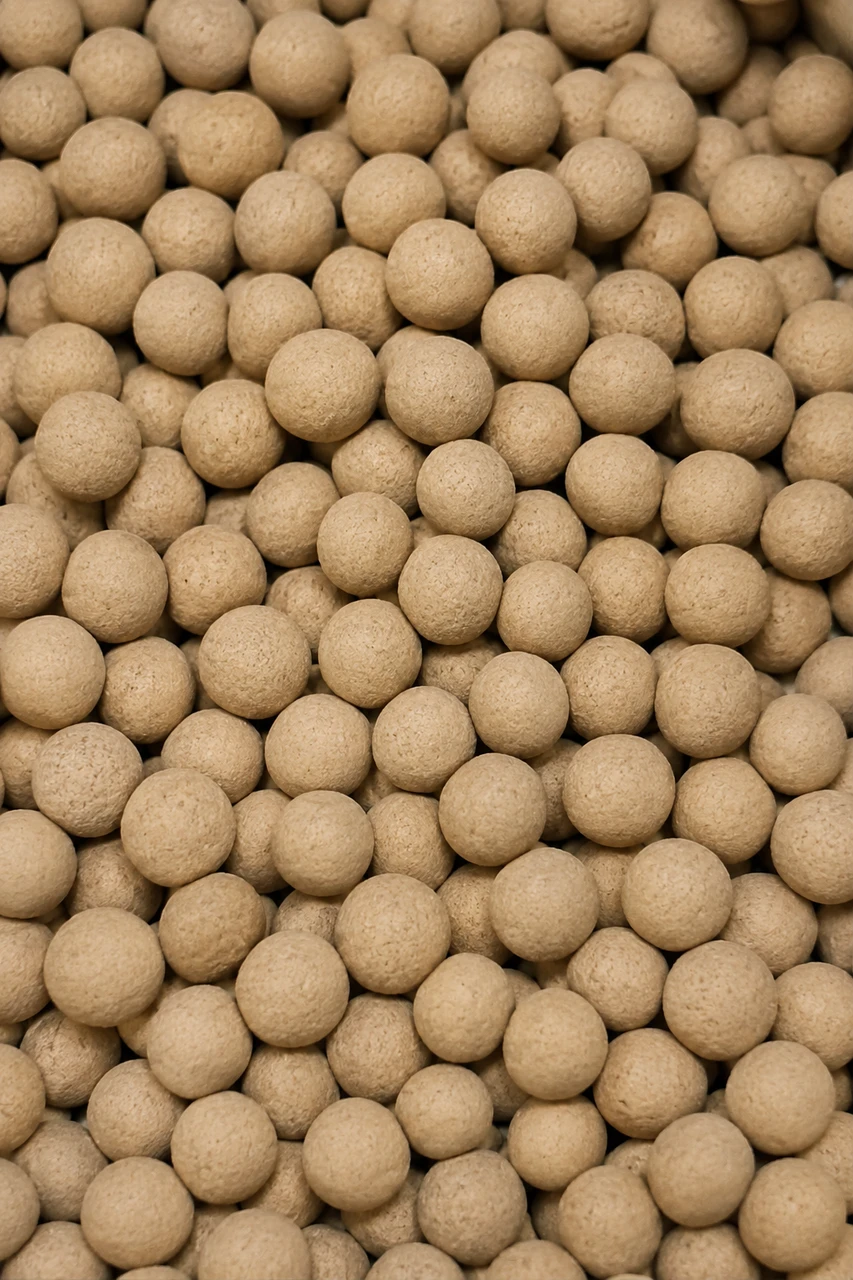
Pelleted seed is surrounded by a thin coating of clay, inert material, or other substances to make the seed larger, smoother, and more uniform in shape. This coating does not change the genetics of the seed; it simply improves its size and handling.
Benefits
Why Are Seeds Pelleted?
- Improved planting precision: Small or irregularly shaped seeds (like lettuce, carrot, or petunia) are hard to sow evenly. Pelleting makes them rounder and uniform, so they flow better through seeders.
- Easier spacing: Pelleted seeds can be planted one by one, reducing the need for thinning.
- Enhanced visibility: Larger coated seeds are easier to see during planting.
- Optional add-ons: Sometimes pelleting includes additives like fungicides, insecticides, or nutrients, but often the coating is just inert material.
Considerations
Are There Drawbacks?
- Shorter shelf life: Pelleted seeds may not store as long as raw seeds, since the coating can affect moisture exchange.
- Higher cost: Extra processing makes them more expensive.
- Moisture needs: The coating must fully absorb water before germination begins, so uniform soil moisture is critical.
Common Uses
Pelleted seed is most common in high-value crops or greenhouse production where precision sowing is important, such as:
Lettuce
Carrot
Onion
Tomato
Petunia and other small-seeded ornamentals
For more information, please see links below:
There are no products listed under this category.


