There are no products listed under this category.


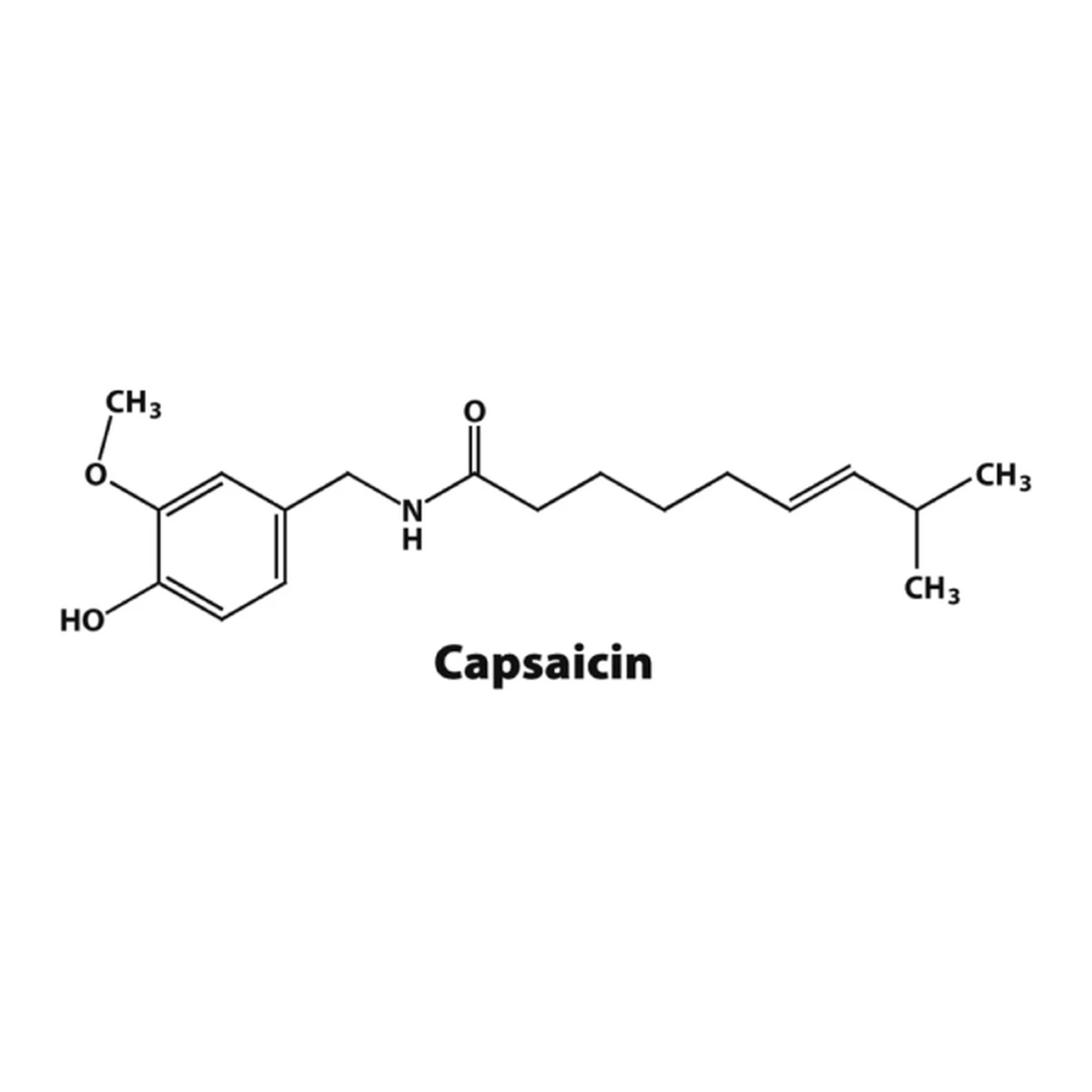
The heat or spiciness in peppers comes from capsaicinoids, a group of natural chemical compounds unique to the genus Capsicum. The most well-known is capsaicin, which stimulates pain receptors in your mouth and skin, causing the burning sensation associated with hot peppers. This is a plant secondary metabolite that aims to prevent herbivory from insects and mites.
Capsaicin is concentrated in the placental tissue, which is the white, spongy membrane inside the pepper that holds the seeds. The seeds themselves do not produce heat, but they become coated with capsaicin because they are in direct contact with the tissue. The highest concentrations are near the stem or end of the fruit, where capsaicin glands are most active.
The level of heat depends on genetics and environmental factors. Each pepper species and cultivar has a different capsaicinoid profile. Stress, such as high temperature, drought, or nutrient imbalance, can increase capsaicin production.
Heat is measured in Scoville Heat Units (SHU) using either sensory testing or modern chemical analysis.
There are no products listed under this category.