There are no products listed under this category.


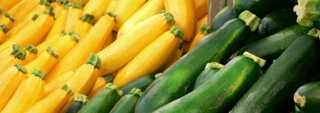
Crookneck varieties can be more challenging to pack because of their curved shape and may be more prone to breaking at the neck during harvest. Straightneck and zucchini varieties are among the most widely grown for commercial markets because they are generally easier to harvest, handle, and pack.
Summer squash is a warm-season crop and should be planted once the danger of frost has passed. The optimal soil temperature for germination is around 85°F, while germination is minimal or nonexistent below 60°F.
Earlier Crops: Plastic mulch, row covers, proper row orientation, and transplanting can help protect against cool conditions and encourage an earlier harvest.
Squash grows best in well-drained, sandy loam soils with high organic matter and a pH of 6.0–6.5. For early crops, lighter soils that warm quickly are preferred. Avoid low, poorly drained areas that are prone to waterlogging.
Crop Rotation: To reduce soil-borne disease pressure, plant squash in fields that have not grown squash, cucumbers, watermelons, or cantaloupes for at least 3 years.
Sow squash seed 1–1½ inches deep in rows spaced 36–48 inches apart. After germination, thin plants to approximately 18–28 inches apart for the final stand.
Continuous Production: For a longer harvest season, make successive plantings every 10–14 days. Plantings can continue until approximately 60–70 days before the expected first frost.
Approximately 3 pounds of seed per acre may be needed when planting by the dribble method, while a precision seeder may require only about 1 pound per acre. When using plastic mulch, double rows may be planted on each bed with plants spaced approximately 18 inches by 18 inches.
Harvest summer squash while the fruit is still tender and has a shiny or glossy appearance. Quality declines rapidly as the fruit matures and the glossy finish becomes dull. Under favorable growing conditions, plants may need to be harvested every other day or even daily.
Early Fruit: The first fruits on some plants may be malformed, withered, or blackened because of poor pollination. This commonly improves as additional male flowers appear and pollination increases.
Leave a short piece of stem attached when harvesting and handle fruit carefully to prevent scratching or skin damage. Cotton gloves can help protect tender fruit. For consistent production and quality, harvest regularly 2–3 times per week or more frequently when growth is rapid.
Harvesting Blossoms: Harvest fully opened male or female blossoms in mid- to late morning, clipping flowers 1–2 inches below the base. If fruit production is also desired, harvest primarily male flowers while leaving enough male blossoms to pollinate the female flowers.
There are no products listed under this category.