There are no products listed under this category.


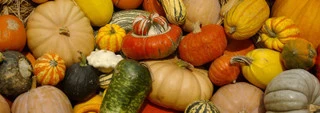
The terms “winter” and “summer” squash can be misleading because both are warm-season crops. The difference primarily refers to maturity at harvest and storage. Summer squash is harvested immature, while winter squash is allowed to fully mature and develop a hard rind suitable for longer-term storage.
Sow winter squash in late spring after the danger of frost has passed and the soil has warmed. A minimum soil temperature of approximately 62°F for treated seed and 70°F for untreated seed is recommended.
Important: Squash seed is particularly susceptible to rotting when planted into cool, wet soil. Allow soil conditions to warm sufficiently before planting.
Winter squash performs best in fertile, well-drained soil. Good drainage is particularly important during germination and early plant development.
Winter squash, particularly vining types, generally requires a growing period of approximately 80–120 days to reach full maturity. For vining squash, approximately 2 pounds of seed per acre may be required.
Earlier Production: Squash may be seeded or transplanted into plastic mulch with trickle irrigation. This can help warm the soil, conserve moisture, reduce weed growth, advance harvest, and improve overall yield.
Vining varieties generally require more room for proper growth and air circulation. A common commercial layout provides approximately 5–8 feet between rows and 2½–5 feet between plants within the row.
Harvest winter squash before a heavy frost, once the fruit has reached full maturity, the rind has hardened, and the stem has begun to dry. Cut the stem approximately 1 inch from the fruit rather than pulling or twisting the squash from the vine.
Handle With Care: Treat mature winter squash like eggs. Bruising, cuts, or other rind damage during harvest and handling can reduce storage life and increase the risk of decay.
There are no products listed under this category.