Growing sweet corn can be challenging enough. Growing multiple genetic types adds another layer to the equation.
Isolation by corn type is vital to achieving the quality you expect. Use the color-coded groups below to understand which genetic types can be grown together and which should be isolated.
Understanding the Chart
Genetic corn types shown within the same colored group can be grown next to one another while maintaining the expected eating quality. Different color groups should be isolated from each other.
Genetic Group 01
Sh2
Supersweet · Extrasweet
Supersweet (Sh2)
Shrunken-2 (Sh2) gene. Highest complex sugar levels with extended flavor and sweetness retention. Sugar converts to starch more slowly, giving these varieties excellent shelf life. Kernels are typically crunchier and firmer, even after refrigeration.
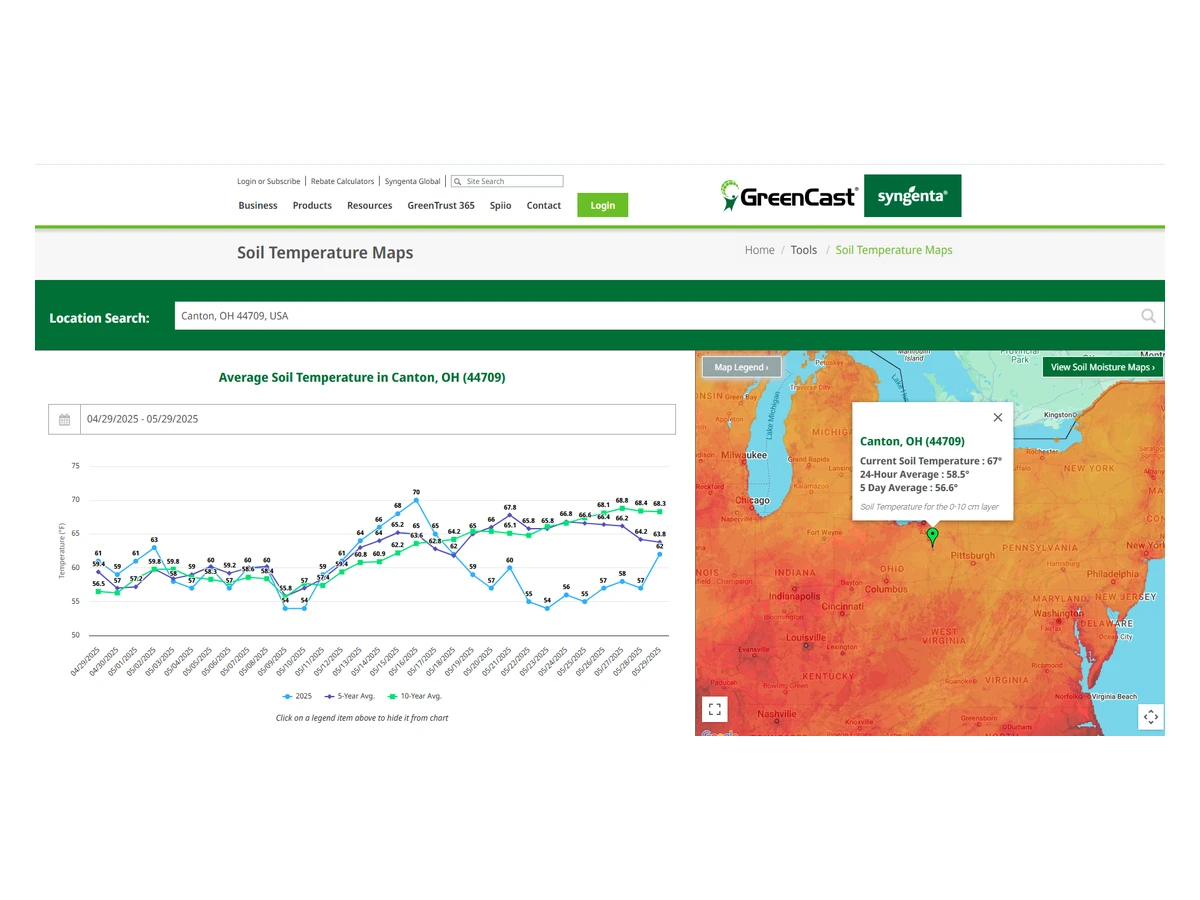
Soil: 60–65°F minimum optimal soil temperature for germination. For main-season varieties, 70°F or warmer is preferred for stronger, more consistent emergence.
Supersweet (Sh2i)
Improved Sh2 genetics with lower seed density and better plantability, along with improved emergence and vigor.
Genetic Group 02
SE / SE-Sh2
Sugary Enhanced · Synergistic · Synergistic Plus
Sugary Enhanced (SE or SE-SE)
Sugary enhancer (se gene). Improved tenderness, sweetness, and moisture retention compared with standard SU corn. Good germination and vigor in cool soil.
Kernels may be fully sugary enhanced (SE-SE homozygous) or partially sugary enhanced (SE heterozygous). Partially enhanced types contain approximately 75% SU and 25% SE kernels.
Synergistic (SE-Sh2)
Approximately 75% SE and 25% Sh2 kernels, resulting in higher sugars and tenderness with a creamy texture. Sugar converts to starch more slowly for longer shelf life.
Synergistic Plus (SE-Sh2+)
Nearly a 50/50 combination of SE and Sh2 kernels, resulting in even higher sugars with a creamy texture.
Genetic Group 03
SU
Standard Sweet Corn
Standard Sugar
Traditional sweet corn carrying the su gene. Standard types germinate well in cool soil, but sugars convert to starch relatively quickly after peak maturity or harvest.
When Different Types Are Nearby
Give different genetic types some breathing room.
Always separate different genetic types to help prevent cross-pollination. When multiple types must be grown in the same area, use one or more of these isolation methods.
01 Maintain a minimum distance of 250 feet between genetic types.
02 Allow at least a 2-week difference in maturity or planting time.
03 Use a sufficient windbreak, such as a stand of trees, solid fence line, or similar barrier.