There are no products listed under this category.


Starting seeds indoors allows growers to extend the production season, improve transplant uniformity, and grow long-season crops in climates where direct seeding is not feasible.
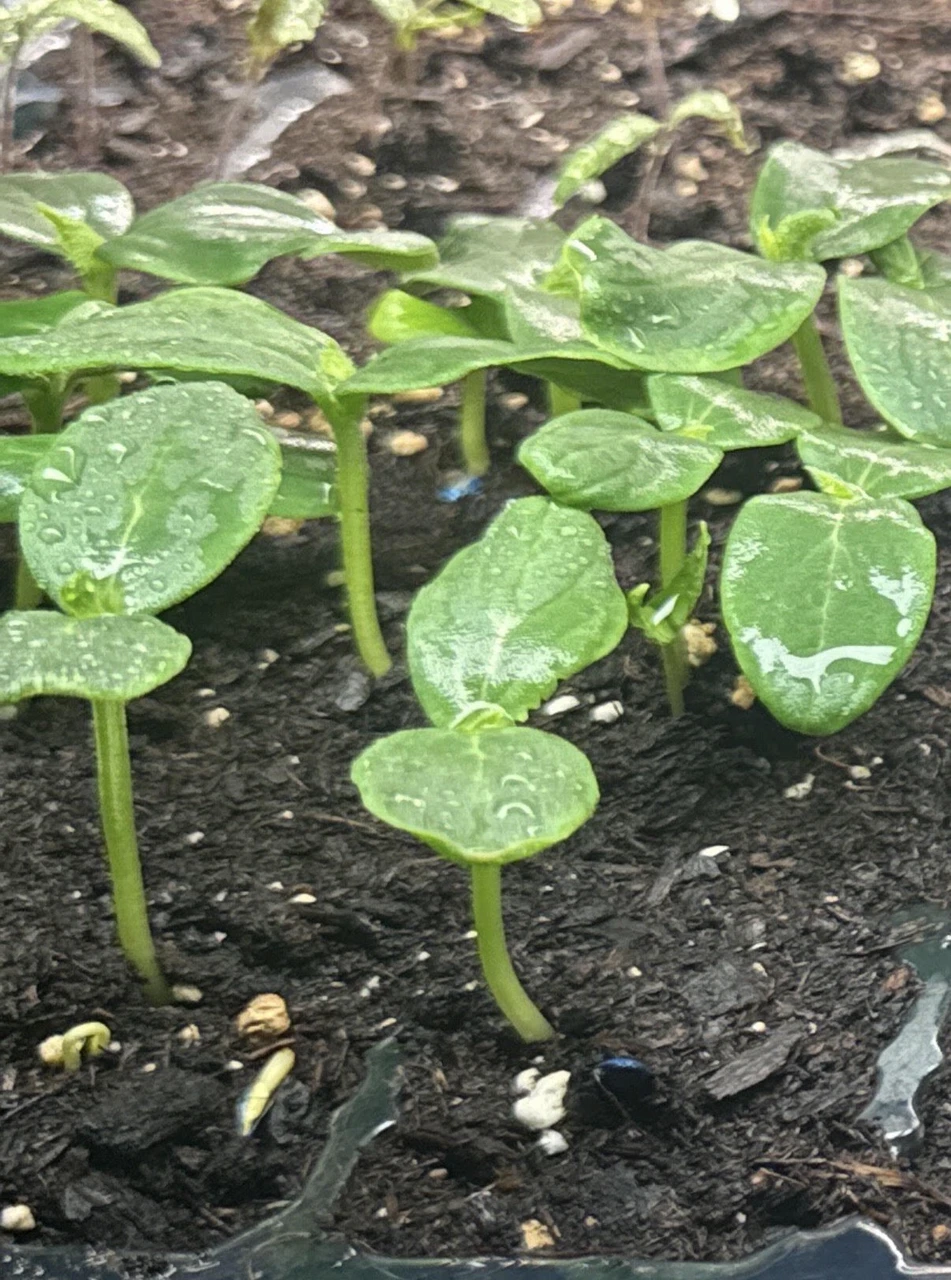
Successful indoor seed starting depends largely on managing four primary factors: light, temperature, moisture, and transplant handling. Providing seedlings with the proper environment from germination through transplanting helps produce sturdy, uniform plants ready for the field or garden.
Indoor seed starting is most beneficial for crops requiring an extended growing period or warm germination conditions.
Commonly started indoors:
Crops such as beans, corn, cucurbits, and root vegetables are typically direct seeded because of rapid germination or transplant sensitivity.
Adequate light is one of the most important factors in producing sturdy transplants. Insufficient light results in elongated, weak seedlings commonly described as “leggy.”
Windowsills rarely provide sufficient light intensity for producing high-quality transplants.
Soil temperature strongly influences germination speed and uniformity. Different crop groups perform best at different temperatures.
Heat mats are beneficial for peppers, tomatoes, and eggplant. Once seedlings emerge, air temperatures can be reduced slightly to around 60–65°F to help limit excessive elongation.
Use a sterile, soilless seed-starting media designed for container production.
Field soil should be avoided because it can compact in containers and may introduce disease organisms.
Seedlings require consistent moisture but are highly sensitive to oversaturation.
Keep in mind: Overwatering is a leading cause of damping-off in young seedlings.
Seedlings require minimal fertility until true leaves develop.
Excess fertility can promote weak, succulent growth.
Seedlings are generally ready for transplant when:
Warm-season crops should not be transplanted outdoors before the risk of frost has passed.
Hardening off acclimates seedlings to outdoor stressors such as wind, temperature fluctuations, stronger sunlight, and UV exposure.
Proper hardening reduces transplant shock and mortality after planting.
Leggy seedlings: Insufficient light or excess heat.
Damping-off: Overwatering, poor airflow, or contaminated growing media.
Nutrient deficiency: Delayed or inadequate fertilization after seedlings begin developing true leaves.
There are no products listed under this category.