There are no products listed under this category.


Tomatoes are generally categorized into two major growth habits: determinate and indeterminate. Understanding the differences between these growth types can help growers choose the best varieties for their garden size, management style, and harvest goals.
Referred to as “bush” tomatoes because they grow to a predetermined size and then stop elongating. Most plants reach 3-4 feet tall and produce fruit in a relatively concentrated period.
Once the plant sets terminal flower clusters at the ends of shoots, vegetative growth slows, and most of the fruit ripens within a 2-3 week window.
Roma and paste-type tomatoes fall into the determinate category because their concentrated harvest is ideal for sauce and processing.
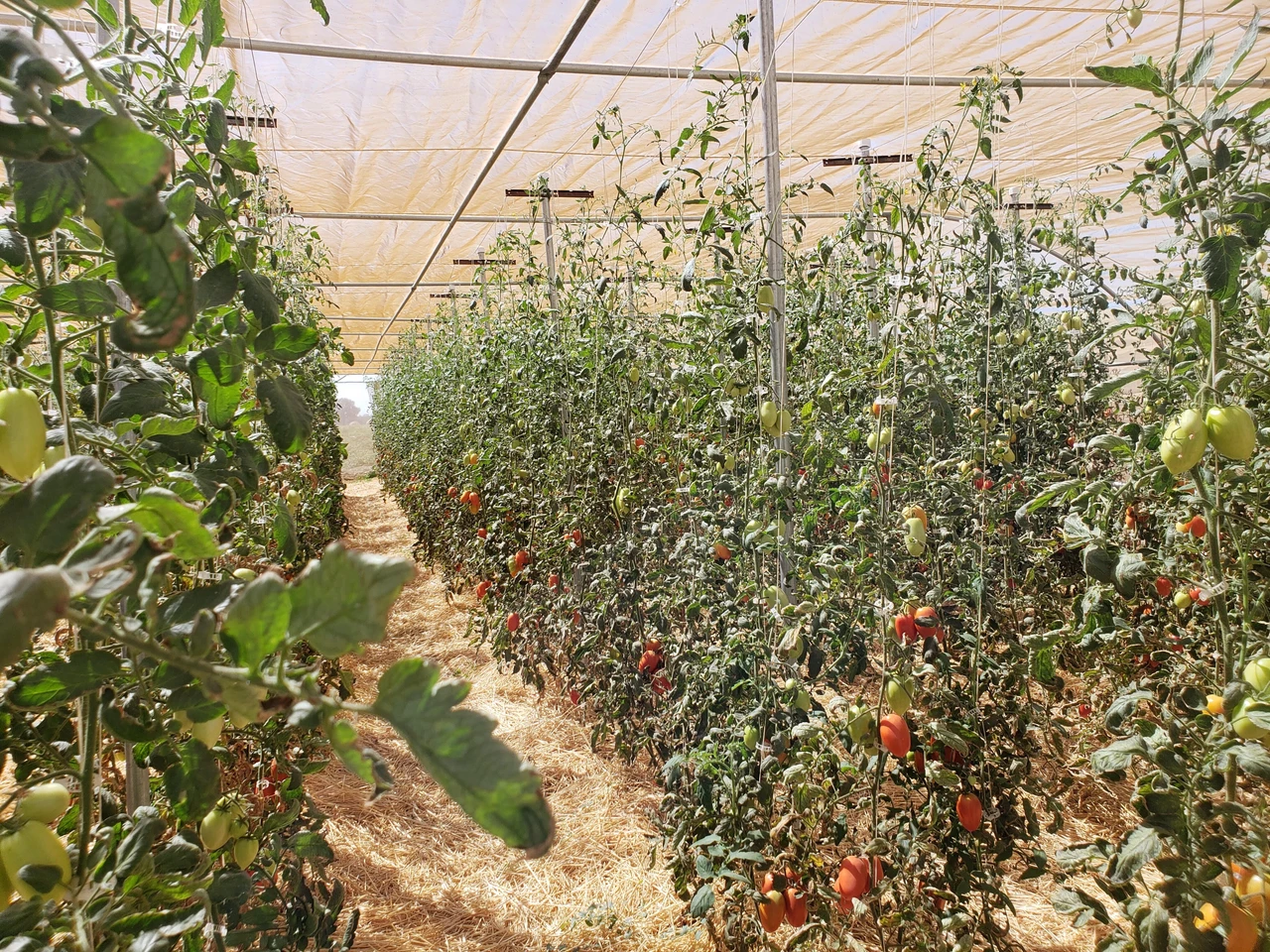
Vining type tomatoes that continue to grow, flower, and produce fruit throughout the growing season until stopped by frost or environmental stress.
These plants can easily reach 6-10 feet in length and produce new flower clusters along the vine as it grows. As a result, fruit ripens continuously rather than all at once.
Many popular heirloom and slicing tomatoes, such as ‘Brandywine’ or Cherokee Purple,’ have indeterminate growth habits.
It depends largely on your growing goals and available space
Compact growth, minimal maintenance, and one large harvest make determinate ideal
Continuous fruit production and maximizing vertical production are what sets indeterminant varieties apart.
Yes, however, less support is required. A simple tomato cage or short stake is sufficient. The plants stop growing after a certain point; they are less likely to outgrow their support. It is recommended to have light support to keep fruit off the ground, improving air circulation and reducing disease risk. e
There are no products listed under this category.